Successful teams aren’t necessarily about star talent, but more often depend on the quiet leaders who hold organizations together
By Heidi Mitchell, The Wall Street Journal, October 12, 2025
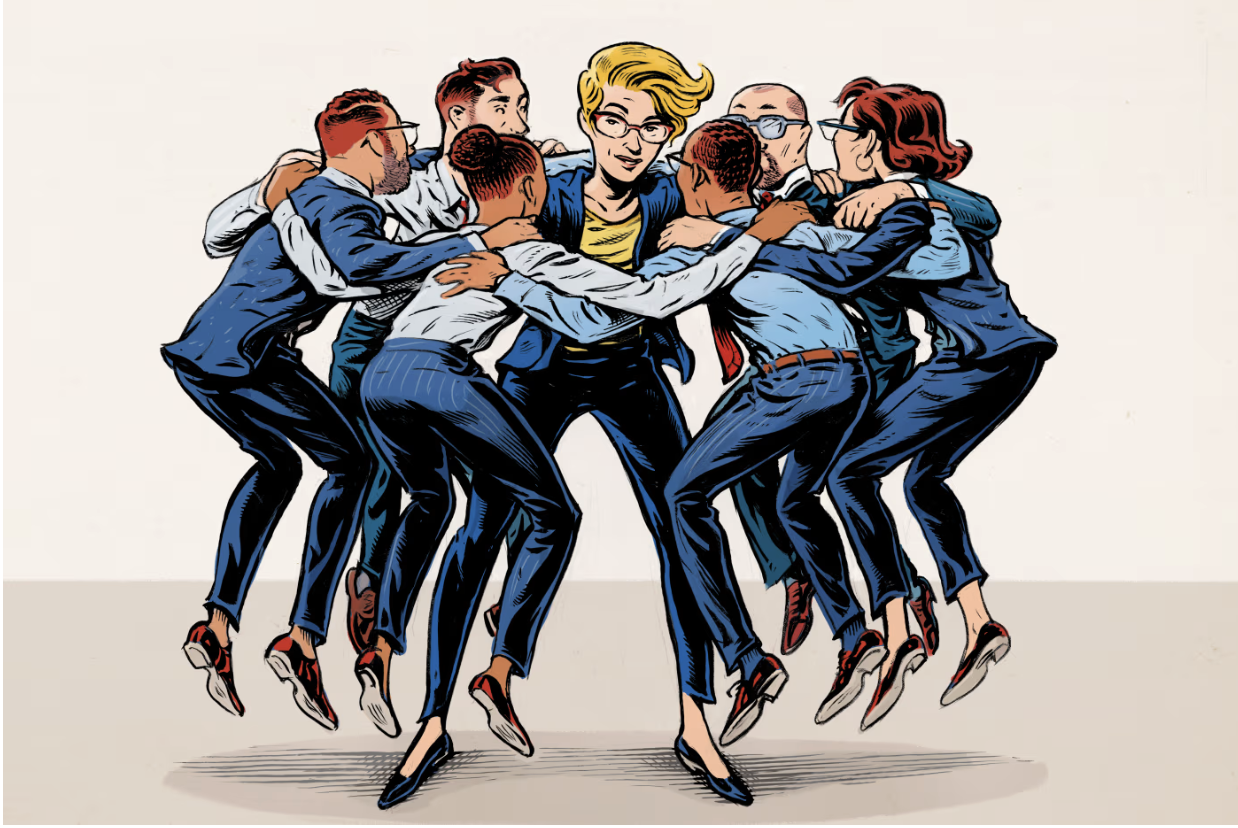
Behavioral scientist Jon Levy has spent the past 15 years studying what makes teams thrive. Through his research and in his latest book, “Team Intelligence: How Brilliant Leaders Unlock Collective Genius,” he has discovered that the secret often rests with what he calls the “glue player”—the team member who holds everything together, often without seeking recognition for their efforts.
The Wall Street Journal spoke with Levy about what glue players are, how to spot them and how smart leaders can recognize and leverage them. Edited excerpts follow.
Small but powerful interventions
WSJ: What exactly is a glue player?
JON LEVY: A glue player is the team member who multiplies everyone else’s results, helping the team win. They have unusually high emotional intelligence and know how to move the group forward. They anticipate needs, take actions no one asked them to and help teammates perform at their best, often without seeking recognition. They put the team above themselves and don’t fight for credit because their priority is progress, not attention.
Glue players “lead from behind.” They let the stars shine while making sure the team succeeds as a whole.
WSJ: Can you give a hypothetical example?
LEVY: Imagine a new employee who feels invisible in meetings. A glue player notices, draws them out privately and then highlights their ideas in the next group discussion.
Suddenly, the newcomer feels included, their perspective strengthens the team and the company gains value faster. These interventions are small but powerful. Glue players aren’t the loudest voices, but they are often the reason the room works at all.
WSJ: How can hiring manager spot glue players?
LEVY: Glue players leave clues. They are often the people who organize their community soccer team’s schedule, step up to run the school fundraiser or volunteer for cross-functional committees at work. Their résumés may include mentoring, volunteer leadership or projects outside their official scope.
In interviews, they tend to light up when describing how they pulled in voices from different departments, coordinated moving pieces or mentored others. They emphasize what the team accomplished together rather than just their own brilliance. That distinction separates them from the narcissist who cannot stop talking about themselves. Recognizing these traits should not be the only factor in hiring, but when building teams, managers should make sure there are enough people with the emotional intelligence to navigate conflict and keep the group aligned.
WSJ: What about identifying glue players within existing teams?
LEVY: One way is simply to ask. Who helped you the most? Who watches out for you? Who makes sure the team functions smoothly? Who creates space for quieter voices and ensures the narcissists don’t dominate? The answers are probably a glue.
It’s important to note that the glue players may not hold the biggest titles, but they keep everything moving. They might be the analyst who notices that marketing and product are working from different assumptions and brings them together before a mistake snowballs. Or the engineer who mentors junior colleagues and makes sure their contributions are recognized.
The difficulty is that companies rarely track these behaviors. Yet those small acts build trust, reduce friction and unlock better collaboration. Until companies learn how to recognize these invisible contributions, glue players will remain hidden in plain sight. Leaders who can spot them hold a huge advantage.
There’s no glory
WSJ: Why aren’t glue players rewarded for their contributions?
LEVY: Most evaluation systems measure what is obvious: Sales closed, code shipped, campaigns launched. Glue work doesn’t show up in those metrics, so it goes unnoticed. Leaders can change that by explicitly valuing glue behaviors. During reviews or pulse surveys, they can ask questions like, “Who helped you succeed this quarter?” or “Whose contribution made the team stronger?” Colleagues see the constant check-ins, the mentoring and the quiet interventions that managers often miss.
Companies can also create peer-nominated “glue awards” or highlight glue behaviors in meetings. Once recognition is in place—whether through promotions, symbolic awards or even team bonuses—leaders send a message: Glue isn’t invisible anymore. Employees then know those contributions matter, which encourages more of them.
WSJ: Should companies rethink compensation to benefit glue players?
LEVY: They should. Most companies still reward stars instead of teams. They celebrate the lead salesperson who closed the deal but overlook the account manager who built the client relationship, the marketer who generated the lead, the engineer who helped the client see what was possible or the customer-success representative who kept the client happy. That mindset teaches employees to compete against each other instead of with each other.
At a certain point, the only way an employee can make sure they stand out is by other people failing around them. When only the top 10% get a giant bonus or a promotion, the corporate hierarchy has incentivized people to fight rather than collaborate and perform at their best.
Leaders can flip this by tying rewards to team outcomes, not just individual wins. When people know success and status depends on collaboration, they stop hoarding resources and start sharing them. That cultural shift unlocks the full intelligence of the organization.
Source: Heidi Mitchell, The Wall Street Journal, October 12, 2025
 the National Association of Senior & Specialty Move Managers® blog